Category: Website Strategy

Insights on fitness website UX, conversions, SEO, and digital member experiences.

  • AI Search for Fitness Studios: How Members Are Finding Studios in a New Era of Search

    AI Search for Fitness Studios: How Members Are Finding Studios in a New Era of Search

    Google isn’t the only place prospective members are asking where to work out anymore.

    For years, fitness studio search strategy was relatively straightforward.

    Someone searched Google for:

    “Pilates near me.”

    “Best cycling studio in Las Vegas.”

    “Beginner Lagree classes.”

    Studios optimized their websites and local listings to appear in those results.

    That behavior isn’t disappearing, but a new discovery experience is emerging.

    Consumers can now ask AI assistants conversational questions such as:

    “What’s a good Pilates studio near me for beginners?”

    “Find me a strength-focused fitness studio with early morning classes.”

    “What’s the difference between these three Pilates studios?”

    Instead of receiving only a page of links, users may receive a synthesized answer.

    That changes how fitness brands should think about being discovered online.

    SEO Is Expanding Beyond Traditional Search

    Traditional SEO focuses heavily on helping search engines understand and rank pages.

    AI-powered discovery adds another consideration:

    Can machines clearly understand your business?

    Your website should make basic questions easy to answer:

    • What does your studio offer?
    • Where are you located?
    • Who is it for?
    • What class types do you offer?
    • What makes the experience different?
    • Who are your instructors?
    • How does pricing work?
    • How does someone get started?

    If this information is buried inside images, vague marketing language or disconnected booking platforms, understanding your business becomes harder for both people and machines.

    Clear Content Matters More Than Clever Content

    Boutique fitness branding often relies on short lifestyle-oriented phrases.

    “Find your fire.”

    “Become your strongest self.”

    “Movement reimagined.”

    Those phrases can reinforce a brand, but they don’t necessarily explain the business.

    A strong website needs both branding and clarity.

    For example:

    Less useful:
    “Discover a better you.”

    More useful:
    “Reformer Pilates classes for all experience levels in Downtown Las Vegas.”

    The second statement immediately provides useful context.

    Your website can still have personality. Just don’t make visitors )or search systems) guess what you actually do.

    Build Strong Class and Service Pages

    A single paragraph listing every service isn’t enough for many studios.

    Dedicated pages can clearly explain individual offerings such as:

    • Reformer Pilates
    • Lagree
    • Indoor Cycling
    • Barre
    • Yoga
    • Strength Training

    Each page creates an opportunity to explain:

    • What the class is
    • Who it’s designed for
    • What someone should expect
    • Where it’s available
    • How to get started

    This is useful for traditional search, AI discovery and most importantly prospective members.

    Location Pages Become Even More Important

    Multi-location fitness brands should give each studio a meaningful digital presence.

    A strong location page can include:

    • Address
    • Neighborhood or market
    • Class offerings
    • Schedule
    • Pricing
    • Amenities
    • Instructors
    • Contact information
    • Frequently asked questions

    Useful local information helps both members and search systems understand what makes each location relevant.

    Answer Real Member Questions

    AI search is conversational.

    Your website content should increasingly reflect the questions people actually ask.

    Examples include:

    • Is Pilates good for beginners?
    • What should I bring to my first class?
    • What’s the difference between Lagree and Pilates?
    • Do I need grip socks?
    • How early should I arrive?
    • Which membership is best if I attend twice per week?
    • Can beginners take this class?

    These questions can become:

    • FAQs
    • Blog posts
    • Class-page content
    • Getting-started guides
    • Location-specific information

    You’re not writing content for robots.

    You’re documenting the knowledge prospective members genuinely need.

    Keep Your Information Consistent

    AI-powered discovery can pull signals from across the web.

    That makes consistency important.

    Studios should regularly review information across their:

    • Website
    • Google Business Profile
    • Booking platform
    • Social profiles
    • Business directories

    Location names, addresses, services and other important details should agree wherever possible.

    Conflicting information creates confusion for members and machines alike.

    Build Authority Through Useful Content

    Studios have knowledge that generic fitness websites don’t.

    Your instructors understand movement.

    Your team understands your methodology.

    Your operators understand the local community.

    Turn that expertise into useful content.

    Instead of publishing articles solely because you want to “do SEO,” answer meaningful questions related to your business and expertise.

    Over time, that creates a stronger body of information around your brand.

    Don’t Abandon Traditional SEO

    AI search does not mean studios should suddenly stop caring about Google.

    The fundamentals still matter:

    • Fast websites
    • Mobile usability
    • Local SEO
    • Helpful content
    • Clear site architecture
    • Accurate business information
    • Strong location and service pages

    In many ways, preparing for AI discovery means getting these fundamentals right rather than chasing a completely new set of tricks.

    The Fitness Website Is Becoming a Source of Truth

    The role of the studio website is evolving.

    It isn’t only somewhere to send traffic after someone discovers your brand.

    It increasingly serves as the authoritative digital representation of your business for members, traditional search engines and emerging AI discovery experiences.

    That makes clear, structured and useful website content more valuable than ever.

    Fitness studios don’t need to predict exactly how AI search will evolve.

    They need to make sure that when someone (or something) asks what their studio is, what it offers and why someone should visit, the internet has a clear answer.
  • How to Plan Your First Month of On-Demand Content

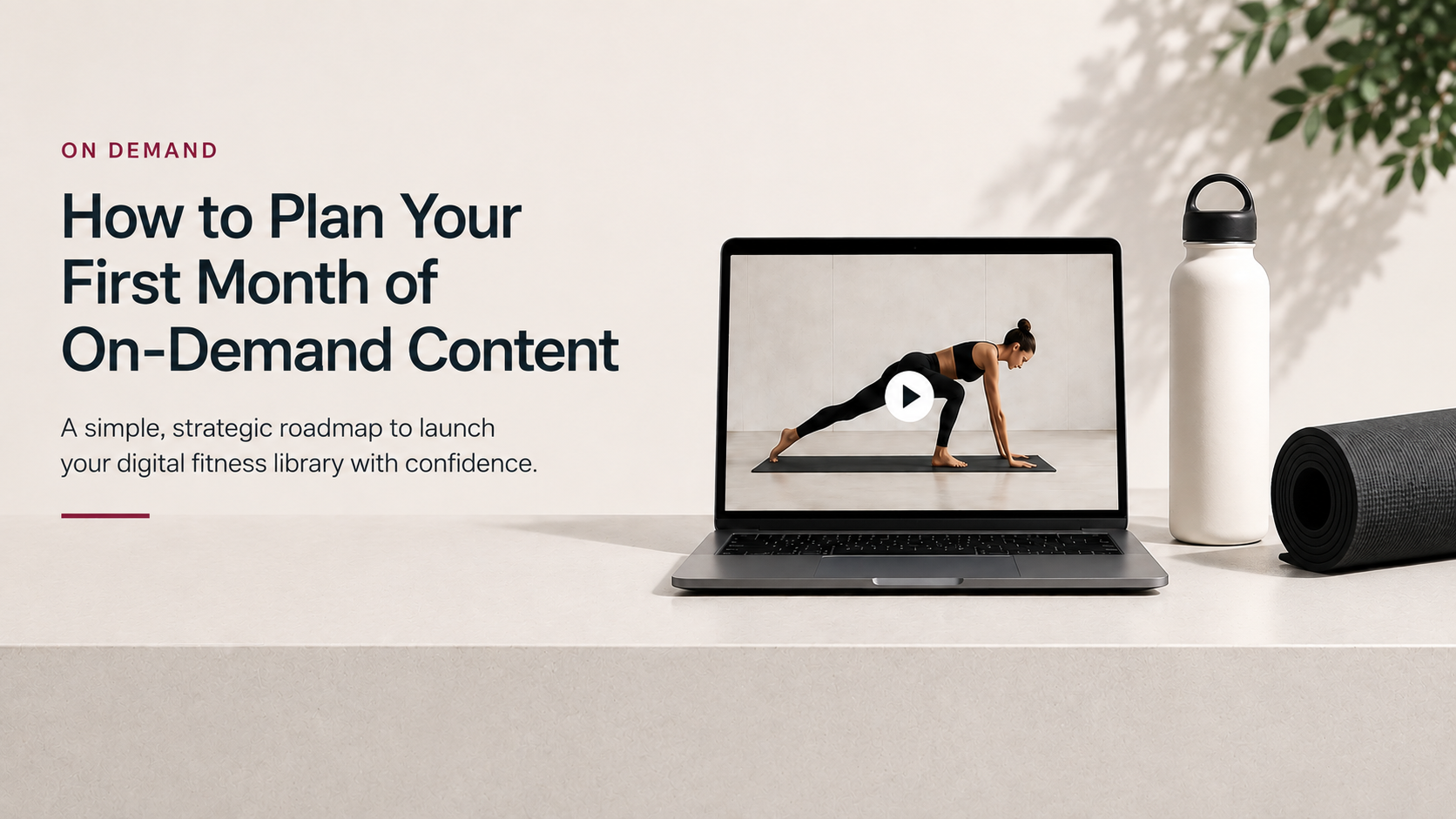
    How to Plan Your First Month of On-Demand Content

    You don’t need hundreds of videos to launch an effective on-demand fitness experience. You need the right content, organized around how your members actually train.

    Launching an on-demand library can feel overwhelming. How many classes do you need? How long should they be? Which instructors should you feature? How often should you publish something new?

    For most boutique fitness studios, the best approach is to start focused.

    Your first month should give members enough variety to find something they want to take while establishing a sustainable rhythm for your team.

    Start With Your Members, Not Your Camera

    Before recording anything, think about why your members would use on-demand content.

    A member might want to:

    • Take a full class when they can’t make it to the studio
    • Fit a 15-minute workout into a busy day
    • Continue training while traveling
    • Add mobility or recovery to their routine
    • Revisit a favorite instructor
    • Try a class type before taking it in person

    Those use cases should shape your initial library.

    The goal isn’t simply to recreate your studio schedule online. Digital content gives you the opportunity to serve moments that your physical schedule can’t.

    Build a Balanced Starter Library

    Instead of recording 20 versions of the same workout, create variety.

    For example, an initial library might include:

    Full-length classes
    Give members an experience similar to attending the studio.

    Express workouts
    Create 10–30 minute options for busy days.

    Beginner content
    Help newer members understand movements, equipment and class formats.

    Targeted workouts
    Think core, upper body, lower body, mobility or recovery.

    Instructor variety
    Feature different personalities and teaching styles from your studio.

    A smaller, thoughtfully organized library will usually be more useful than a large collection members struggle to navigate.

    Plan Your First Four Weeks

    You don’t need to publish everything on day one.

    Consider launching with a core collection and then adding content weekly.

    Week 1: Establish the experience
    Publish several foundational workouts representing your primary class types and instructors.

    Week 2: Add convenience
    Introduce shorter workouts and content designed for busy schedules.

    Week 3: Add variety
    Release targeted workouts, specialty formats or additional instructors.

    Week 4: Give members a reason to return
    Introduce a new series, challenge or featured workout.

    Now your on-demand experience feels active rather than static.

    Create a Repeatable Production Workflow

    Consistency matters more than perfection.

    Establish a simple workflow:

    Plan → Record → Edit → Upload → Categorize → Publish → Promote

    Batching content can make this dramatically easier. Instead of setting up equipment every week, record several workouts during one production session and release them gradually.

    Your content calendar can then stay active without requiring constant filming.

    Organize Content for Discovery

    Members shouldn’t have to scroll endlessly to find a workout.

    Useful collections might include:

    • 30 Minutes or Less
    • Beginner
    • Full Body
    • Strength
    • Mobility & Recovery
    • Instructor Collections
    • Most Recent

    Think of your library like a streaming service rather than a folder of videos.

    Good organization increases the likelihood that members actually use the content you’re creating.

    Promote Every Release

    Uploading a workout doesn’t mean members will discover it.

    Use your existing channels to introduce new content:

    • Email
    • Social media
    • Website
    • Studio signage
    • Instructor announcements
    • Mobile app

    A simple weekly “New this week” message can give members another reason to interact with your brand.

    Don’t Wait for a Perfect Library

    One of the easiest mistakes is delaying launch because you don’t have enough content.

    Start with a useful foundation. Learn what members watch. Then build around actual engagement.

    Your first month isn’t about creating the final version of your on-demand library.

    It’s about establishing the habit, for both your members and your team.

    With a clear content strategy and a connected platform like On Demand by IPSTUDIO™, your digital library can become an extension of the studio experience that keeps members connected wherever they are.

  • How Website Speed Impacts Fitness Studio Conversions

    Website speed influences much more than user experience. It affects search rankings, engagement, and ultimately how many prospective members complete a booking.

    First Impressions Happen Fast

    Visitors decide within seconds whether to continue browsing. Slow-loading pages often result in higher bounce rates before users even see your offerings.

    Speed Supports SEO

    Search engines consider page performance when evaluating websites. Faster websites generally provide a better user experience, contributing to stronger search visibility.

    Optimize Images

    Large image files are one of the biggest causes of slow websites. Compress media appropriately without sacrificing quality.

    Remove Unnecessary Scripts

    Too many plugins, tracking scripts, or animations can significantly reduce performance. Regular audits help keep websites efficient.

    Monitor Performance

    Review website performance periodically using tools like PageSpeed Insights to identify opportunities for improvement.

    A fast website benefits both visitors and search engines.

  • Local SEO for Pilates, Yoga and Boutique Fitness Studios

    If someone searches for “Pilates near me” or “Yoga studio in Austin,” your website and Google Business Profile should help your studio appear among the top local results. Local SEO is one of the highest-return marketing investments for boutique fitness businesses because it connects you with people actively looking for classes nearby.

    Optimize Your Google Business Profile

    Keep your business name, address, phone number, website, hours, and photos current. Encourage members to leave reviews and respond thoughtfully to feedback. An active profile signals credibility to both Google and prospective members.

    Build Location-Focused Pages

    If you operate in multiple neighborhoods or cities, create dedicated pages for each location. Include unique descriptions, directions, amenities, instructors, and class offerings rather than duplicating content.

    Keep Information Consistent

    Ensure your business name, address, and phone number are identical across your website, Google Business Profile, and online directories. Consistency strengthens local search signals.

    Create Helpful Local Content

    Publishing articles about community events, studio updates, wellness tips, or local partnerships demonstrates relevance and keeps your website active.

    Mobile Experience Matters

    Most local searches happen on mobile devices. A fast, responsive website with clear booking actions helps convert visitors into members.

    Local SEO isn’t about gaming search engines—it’s about making it easy for nearby members to discover, trust, and choose your studio.

  • Announcing Shop by IPSTUDIO™

    Announcing Shop by IPSTUDIO™

    A modern retail experience built for Mariana Tek studios.

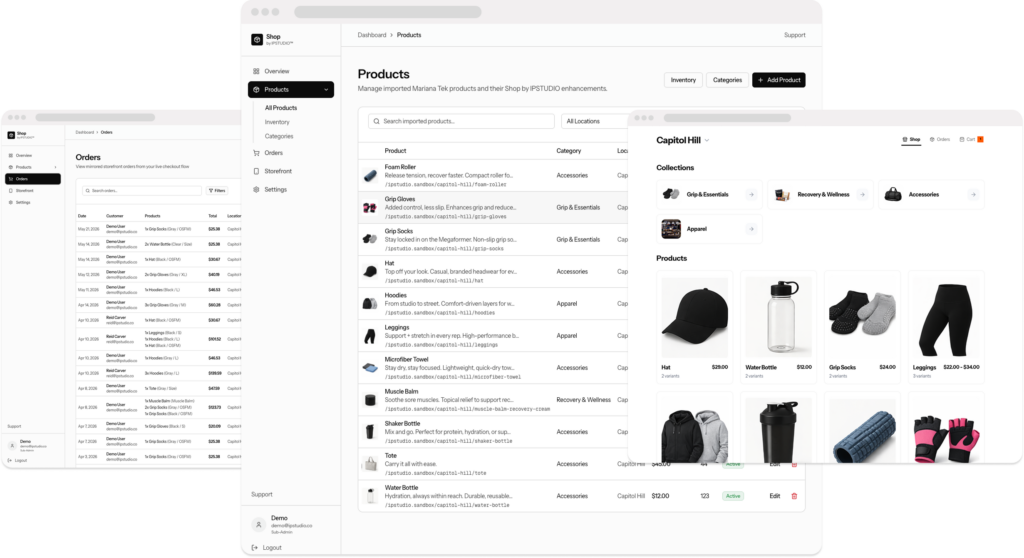
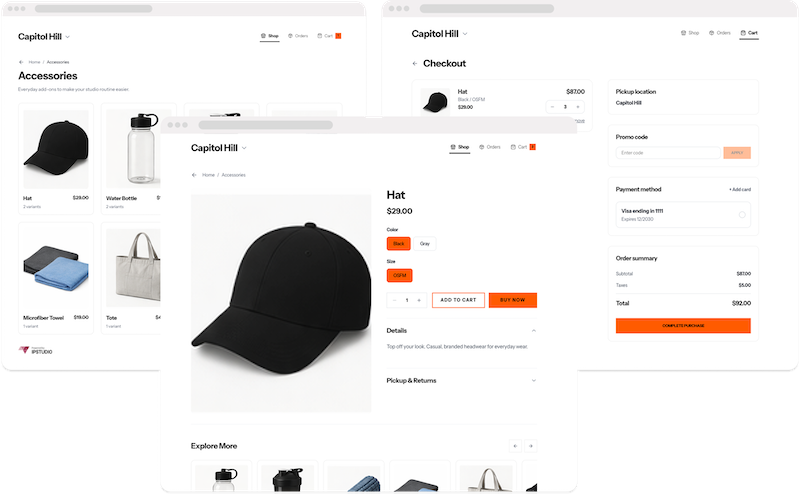
    We’re excited to introduce Shop by IPSTUDIO™, a new way for Mariana Tek studios to sell retail directly from their website.

    Shop transforms your existing Mariana Tek retail catalog into a modern, branded online storefront allowing members to browse products, purchase online, and pick up in studio, all while products, pricing, and inventory continue to be managed in Mariana Tek.

    Built for the Boutique Fitness Industry

    Retail is an important part of the studio experience, but many studios rely solely on in-studio purchases or maintain a separate ecommerce platform that requires duplicate product management.

    Shop by IPSTUDIO™ eliminates that friction by connecting your Mariana Tek retail catalog to a branded web storefront. Instead of maintaining inventory in multiple systems, your team continues managing products in Mariana Tek while your website stays in sync.

    The result is a faster, more seamless shopping experience for both staff and members.

    Key Features

    • Mariana Tek Product Sync
      Products, pricing, inventory, and availability remain managed in Mariana Tek.
    • Branded Storefront
      Deliver a shopping experience that matches your website and studio brand.
    • Mobile-First Design
      Members can browse and purchase retail from any device.
    • Online Checkout with In-Studio Pickup
      Encourage additional retail sales while keeping fulfillment simple.
    • Integrated with IPSTUDIO Fitness Websites™
      Designed to work seamlessly with our managed website platform while also supporting existing websites.

    Designed Around the Member Experience

    Members already visit your website to book classes, purchase memberships, and manage their accounts. Shop extends that experience by making retail available wherever your members are before class, after class, or from home.

    Instead of asking members to purchase only while they’re physically in the studio, Shop keeps your retail collection available 24/7 through your website.

    Continuing to Build for the Mariana Tek Community

    For years, IPSTUDIO has focused on building products specifically for the boutique fitness industry and deep experience with the Mariana Tek ecosystem.

    From IPSTUDIO Fitness Websites™ and Sponsored Web Integrations to On Demand by IPSTUDIO™, Live by IPSTUDIO™, Gamification, and Ads Engine, our goal has remained the same: create connected digital experiences that help studios grow.

    Shop by IPSTUDIO™ is the newest addition to that ecosystem.

    Get Started

    Shop by IPSTUDIO™ is available today for Mariana Tek studios.

    To learn more or schedule a demo, visit https://ipstudio.co/products/shop.

  • Why Fitness Studio Websites Should Be Mobile-First

    Most prospective members won’t experience your fitness studio for the first time in person. They’ll experience it on their phone.

    Whether someone discovers your studio through Google, Instagram, a friend’s text message, or a local search, the first impression almost always happens on a mobile device. If your website isn’t built with mobile users in mind, you’re likely losing members before they ever book their first class.

    A mobile-friendly website is no longer a “nice-to-have.” It’s one of the most important investments a fitness studio can make for marketing, member experience, and long-term growth. Most boutique fitness traffic now comes from mobile devices, making mobile-first design essential rather than optional. (IPSTUDIO)

    What Does “Mobile-First” Actually Mean?

    Many websites are designed for desktop computers first and then squeezed down to fit smaller screens.

    Mobile-first design flips that process.

    Instead of asking, “How does this website look on a phone?”, you ask:

    • Can someone book a class with one hand?
    • Is pricing immediately visible?
    • Can someone find your schedule in under five seconds?
    • Are buttons large enough to tap?
    • Does every page load quickly on cellular data?

    Every design decision starts with the mobile experience because that’s where most visitors begin their journey.

    Your Website Is Your Front Desk

    Imagine walking into a beautiful studio where nobody greets you, the schedule is hidden, pricing is confusing, and it takes five minutes before someone helps you.

    Most people would leave.

    The same thing happens online.

    Your website acts as your digital front desk. It should immediately answer the questions every prospective member has:

    • What classes do you offer?
    • Where are you located?
    • How much does it cost?
    • How do I book?
    • Why should I choose your studio?

    If visitors have to pinch, zoom, or hunt for information on their phone, many simply return to Google and visit the next studio.

    Mobile Speed Directly Impacts Conversions

    Every extra second your website takes to load increases the chance that a visitor leaves before seeing what you offer. Fast websites don’t just feel better—they improve conversion rates, user satisfaction, and search visibility. (Zen Planner)

    For fitness studios, speed matters because many visitors are:

    • Walking between meetings
    • Sitting in their car before work
    • Comparing multiple studios
    • Looking for tonight’s class

    They aren’t waiting ten seconds for a homepage animation to finish.

    They’re moving on.

    Mobile Experience Affects Google Rankings

    Google primarily evaluates websites using their mobile version when determining search rankings. That means a poor mobile experience can reduce your visibility in local search results. (Zen Planner)

    If two Pilates studios offer similar classes, the one with the faster, better mobile experience often has an advantage in search.

    Mobile optimization helps improve:

    • Local SEO
    • User engagement
    • Bounce rate
    • Time on site
    • Organic traffic

    Those improvements compound over time.

    Keep the Booking Journey Simple

    One of the biggest mistakes fitness studios make is creating unnecessary friction.

    A visitor should be able to go from discovering your studio to booking their first class in just a few taps.

    That means:

    • Clear “Book Now” buttons
    • Mobile-friendly schedules
    • Simple pricing pages
    • Easy-to-complete forms
    • Integrated booking experiences

    Every additional click creates another opportunity for someone to abandon the process.

    Thumb-Friendly Navigation Matters

    Designing for mobile isn’t just about shrinking content.

    People interact with phones differently than computers.

    Good mobile navigation uses:

    • Large tap targets
    • Sticky navigation where appropriate
    • Clear calls to action
    • Short paragraphs
    • Readable font sizes
    • Plenty of spacing

    The easier your website is to use, the more likely visitors are to become members.

    Mobile-First Doesn’t Mean Mobile-Only

    Desktop users still matter.

    Many prospective members will research your studio from work or compare membership options on a larger screen.

    The goal isn’t to ignore desktop.

    The goal is to ensure your website performs exceptionally well on every device by designing for the smallest screen first and expanding from there.

    Signs Your Website Isn’t Mobile-First

    If any of these sound familiar, it may be time to revisit your website:

    • Text is difficult to read without zooming
    • Buttons are too small to tap comfortably
    • Booking requires multiple redirects
    • Images load slowly
    • Navigation feels cluttered
    • Important information sits below large banners
    • Google Search Console reports mobile usability issues

    Small usability problems often translate into lost bookings.

    Mobile-First Is Good Business

    A great fitness website doesn’t exist to win design awards.

    It exists to help people discover your brand, trust your studio, and book their first class.

    When your website is fast, easy to navigate, and designed around the way people actually browse today, everything improves:

    • More organic traffic
    • Better Google visibility
    • Higher booking conversion rates
    • Lower bounce rates
    • A stronger first impression
    • A better overall member experience

    As member expectations continue to rise, the studios investing in mobile-first websites today will be better positioned to grow tomorrow. Modern fitness websites are increasingly viewed as connected member experiences rather than static marketing sites. (IPSTUDIO)

  • Why Embedded Booking Experiences Convert Better

    Reducing friction across the member journey through connected fitness website experiences.

    One of the biggest conversion problems in boutique fitness is fragmented booking experiences. A potential member discovers a studio, clicks “Book Now,” then suddenly lands on a completely different-looking platform with unfamiliar branding, additional login steps and a disconnected checkout flow.

    Every extra step creates friction. Every moment of confusion increases drop-off.

    Modern fitness brands are increasingly shifting toward embedded booking experiences that keep members inside a unified digital environment from discovery through purchase.

    Why Redirect-Based Booking Flows Hurt Conversion

    Traditional booking flows often:

    • Open separate booking portals
    • Break visual brand continuity
    • Require multiple logins
    • Create mobile usability issues
    • Increase abandonment during checkout

    For users, this creates uncertainty. Many assume they’ve left the studio website entirely.

    In a highly competitive fitness market, even small UX disruptions can reduce registrations and purchases.

    Embedded Experiences Create Trust

    Embedded booking experiences allow studios to maintain:

    • Consistent branding
    • Unified navigation
    • Connected account experiences
    • Smoother mobile usability
    • Faster purchasing flows

    This is especially important for modern consumers who expect app-like experiences across digital products.

    Studios using connected platforms like Mariana Tek are increasingly investing in embedded pricing, scheduling and account flows to reduce booking friction.

    The best member experiences feel seamless from homepage to checkout.

    Mobile Behavior Has Changed Everything

    Most fitness website traffic now happens on mobile devices.

    Users are often:

    • Browsing between meetings
    • Booking from their car
    • Purchasing memberships quickly during daily routines

    Complex redirects and slow-loading booking systems create immediate abandonment risk.

    Embedded experiences help simplify:

    • Registrations
    • Membership purchases
    • Trial activations
    • Account access
    • Schedule browsing

    Reducing clicks often directly improves conversion rates.

    Brand Consistency Matters

    Boutique fitness is experience-driven. Branding consistency impacts perceived quality and trust.

    When users move between disconnected systems with different layouts, fonts, colors and navigation patterns, confidence drops.

    Embedded experiences help studios create stronger digital brand continuity across:

    • Websites
    • Scheduling
    • Pricing
    • Member accounts
    • Purchases

    This creates a more premium and professional experience.

    Connected Digital Ecosystems Are Becoming the Standard

    Modern studios are increasingly connecting:

    • Websites
    • Mobile apps
    • Streaming platforms
    • Ecommerce
    • Membership systems

    The website is no longer separate from operations. It is part of the operational member experience.

    Studios investing in connected digital ecosystems are positioning themselves for stronger:

    • Conversion
    • Engagement
    • Retention
    • Lifetime value

    The future of boutique fitness is integrated.

  • The Modern Boutique Fitness Website in 2026

    Why the fitness industry is moving beyond generic websites toward connected digital member experiences.

    The boutique fitness industry has evolved dramatically over the past few years. Members now expect a seamless digital experience across discovery, booking, purchasing, account management and ongoing engagement. In 2026, a studio website is no longer just a marketing asset — it’s a core operational and conversion platform.

    Yet many fitness brands still operate on outdated websites that create friction, slow down registrations and disconnect the member journey.

    The modern boutique fitness website looks very different.

    The Website Is Now Part of the Product

    For many studios, the website is the very first interaction a potential member has with the brand. Before someone walks through the studio doors, they’ve already judged the business based on:

    • Mobile experience
    • Site speed
    • Booking flow
    • Ease of navigation
    • Pricing clarity
    • Brand presentation
    • Account experience

    A slow or confusing website creates immediate drop-off.

    Today’s members expect the same level of digital polish they experience from leading consumer apps and subscription platforms. If the booking flow feels disconnected, outdated or frustrating, conversion rates suffer.

    Modern fitness brands are increasingly investing in websites that function as connected member experiences rather than static brochure sites.

    Mobile-First Is No Longer Optional

    Most boutique fitness traffic now comes from mobile devices. This means websites must be designed mobile-first from the very beginning.

    That includes:

    • Fast page loads
    • Thumb-friendly navigation
    • Simplified booking flows
    • Optimized forms
    • Clear calls to action
    • Embedded purchasing experiences

    Many generic website builders still prioritize desktop layouts first, then adapt them for mobile afterward. The result is often cluttered layouts, awkward booking experiences and unnecessary friction.

    In boutique fitness, small UX issues directly impact registrations and purchases.

    Booking Friction Kills Conversion

    One of the largest problems in the fitness industry is fragmented booking experiences.

    A common flow still looks like this:

    1. User lands on the studio website
    2. Clicks “Book”
    3. Gets redirected to another platform
    4. Sees different branding
    5. Needs to log in again
    6. Encounters multiple steps before purchase

    Every additional step creates drop-off risk.

    Studios using connected embedded flows through platforms like Mariana Tek are increasingly reducing this friction by creating more seamless digital journeys.

    Integrated schedules, pricing pages, account management and registration flows help maintain brand consistency while improving conversion rates and member trust.

    The best fitness websites today feel unified from discovery through checkout.

    Speed Matters More Than Most Studios Realize

    Website performance directly impacts:

    • SEO visibility
    • Conversion rates
    • Bounce rates
    • Mobile usability
    • Advertising efficiency

    Slow-loading websites create frustration before users even engage with the brand.

    This is especially important in fitness where users are often browsing quickly between work, commuting or daily activities. If a website takes too long to load, many users simply leave.

    Modern fitness websites should prioritize:

    • Lightweight page structures
    • Optimized hosting environments
    • Efficient media delivery
    • Clean codebases
    • Minimal unnecessary plugins/scripts

    Performance is no longer just a technical concern — it’s a business metric.

    SEO Should Be Built In From Day One

    Many studio websites treat SEO as an afterthought. In reality, technical SEO decisions made during the build process can significantly impact long-term visibility.

    Modern boutique fitness websites should launch with:

    • Proper page hierarchy
    • Structured metadata
    • Mobile optimization
    • Local SEO foundations
    • Fast performance
    • Clean URLs
    • Optimized location pages

    Studios competing in crowded markets need every advantage possible in local search visibility.

    Strong SEO foundations compound over time.

    Connected Member Experiences Are Becoming the Standard

    The strongest fitness brands are increasingly connecting:

    • Websites
    • Booking systems
    • Member accounts
    • Mobile apps
    • Streaming platforms
    • Retail experiences

    Members expect continuity across all touchpoints.

    This is one reason connected platforms like On Demand by IPSTUDIO™ and integrated ecommerce experiences are becoming more important inside the boutique fitness ecosystem.

    Studios are no longer thinking only about registrations. They’re thinking about retention, engagement and long-term digital relationships with members.

    The website now sits at the center of that ecosystem.

    The Future of Fitness Websites

    The modern boutique fitness website is:

    • Fast
    • Mobile-first
    • Conversion-focused
    • SEO-ready
    • Deeply integrated
    • Brand-consistent
    • Retention-oriented

    Studios that continue relying on disconnected or outdated digital experiences will increasingly struggle to compete as consumer expectations continue rising.

    The fitness brands seeing the strongest growth in 2026 are investing in connected digital ecosystems that reduce friction, improve engagement and support long-term member retention.

    Your website is no longer just a website.

    It’s part of the member experience.

  • Launch Now, Perfect Later: How to Build a Boutique Fitness Website Without Final Media or Copy

    Launch Now, Perfect Later: How to Build a Boutique Fitness Website Without Final Media or Copy

    Starting a boutique fitness studio is an exciting journey, but one filled with moving parts. From choosing equipment to building your team and planning your grand opening, it’s easy to push website development to the back burner. Many studio owners ask:

    “How can I build a website without brand photos, videos, or finalized copy?”

    The answer: You don’t have to wait.

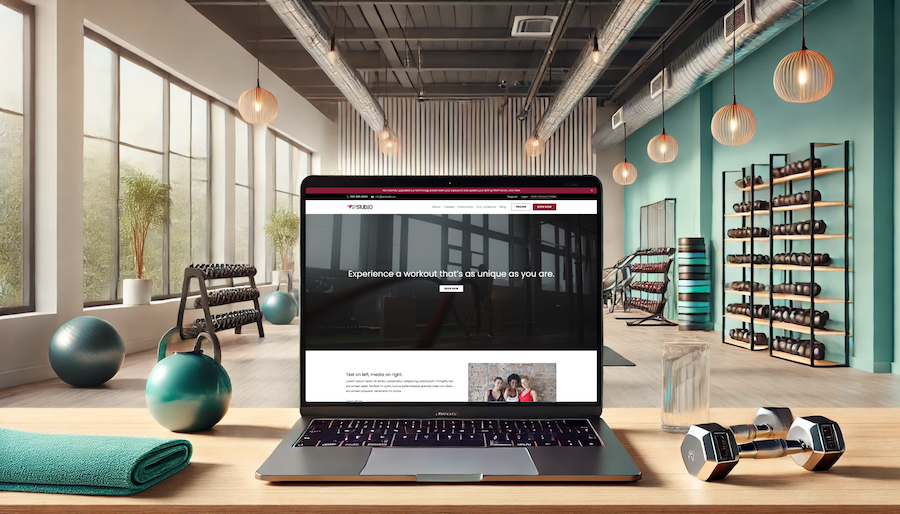
    With IPSTUDIO Fitness Websites™, you can launch a polished, high-converting site tailored specifically for boutique fitness—even before your studio is open or your content is ready. Here’s how:

    Step 1: Build a Website That Grows With You

    Our platform, delivered by ipstudio.co, is purpose-built for fitness studios. It integrates seamlessly with systems like Mariana Tek, is mobile-friendly by design, and comes with expert support for ongoing updates.

    Even without your own media or copy, you’ll get a modern, professional site that captures leads, builds presale momentum, and introduces your brand with confidence. It’s designed to evolve as your business grows.

    Step 2: Use Stock Media to Represent Your Brand for Now

    No photoshoot? No problem. Until your space is photo-ready, use high-quality stock photos and videos from platforms like Pexels, Unsplash, or Adobe Stock. Choose images that reflect your studio’s energy, whether it’s peaceful yoga flows or heart-pumping HIIT.

    Once you have your own visuals, we’ll help you swap them in seamlessly.

    Step 3: Use AI Tools Like ChatGPT for Copywriting, Scripting & More

    Feeling stuck on copy? Let AI help.

    Tools like ChatGPT can generate professional, on-brand content tailored to your goals and target audience. Whether you’re drafting your homepage or prepping an email announcement, ChatGPT can help you:

    • Write compelling “About Us” and team bios
    • Create persuasive presale or class descriptions
    • Script welcome videos or Instagram reels
    • Brainstorm blog posts, promotions, and more

    You can edit and refine AI-generated content to match your voice—and get past the blank page faster.

    ⚡ Bonus: You can even use AI tools like DALL·E or Canva’s Magic Media to generate placeholder images or branded graphics until your official media is ready.

    Step 4: Include Features That Drive Presales

    Even before you open, your site should be working for you. Here are must-haves for presale success:

    • Email Collection Forms
      Grow your list and generate excitement with early access or grand opening updates.
    • Presale Offers
      Sell memberships, intro packages, or branded merch ahead of launch.
    • Integrated Booking
      Tools like Mariana Tek let you open booking windows, manage class caps, and streamline the signup experience.

    Step 5: Treat Your Site Like a Living Project

    Your first site version is just the beginning. With IPSTUDIO Fitness Websites™, your site evolves with you—whether you’re adding new classes, updating visuals, or showcasing testimonials and results.

    We include ongoing updates and expert support, so your site always reflects the best version of your brand.

    Conclusion

    Launching your fitness website doesn’t have to wait for perfect photos or final copy. With IPSTUDIO’s turnkey platform, high-quality stock media, and creative AI tools like ChatGPT, you can build an online presence that drives revenue and builds buzz—before your doors even open.

    You’ll have a website that’s functional now and scalable for the long haul—with the flexibility to grow alongside your studio.

    Ready to launch your fitness website the smart way?
    Contact us today and let’s build your studio’s digital home—no delays, no stress.

  • How to Use a Blog to Boost Your Fitness Studio’s SEO

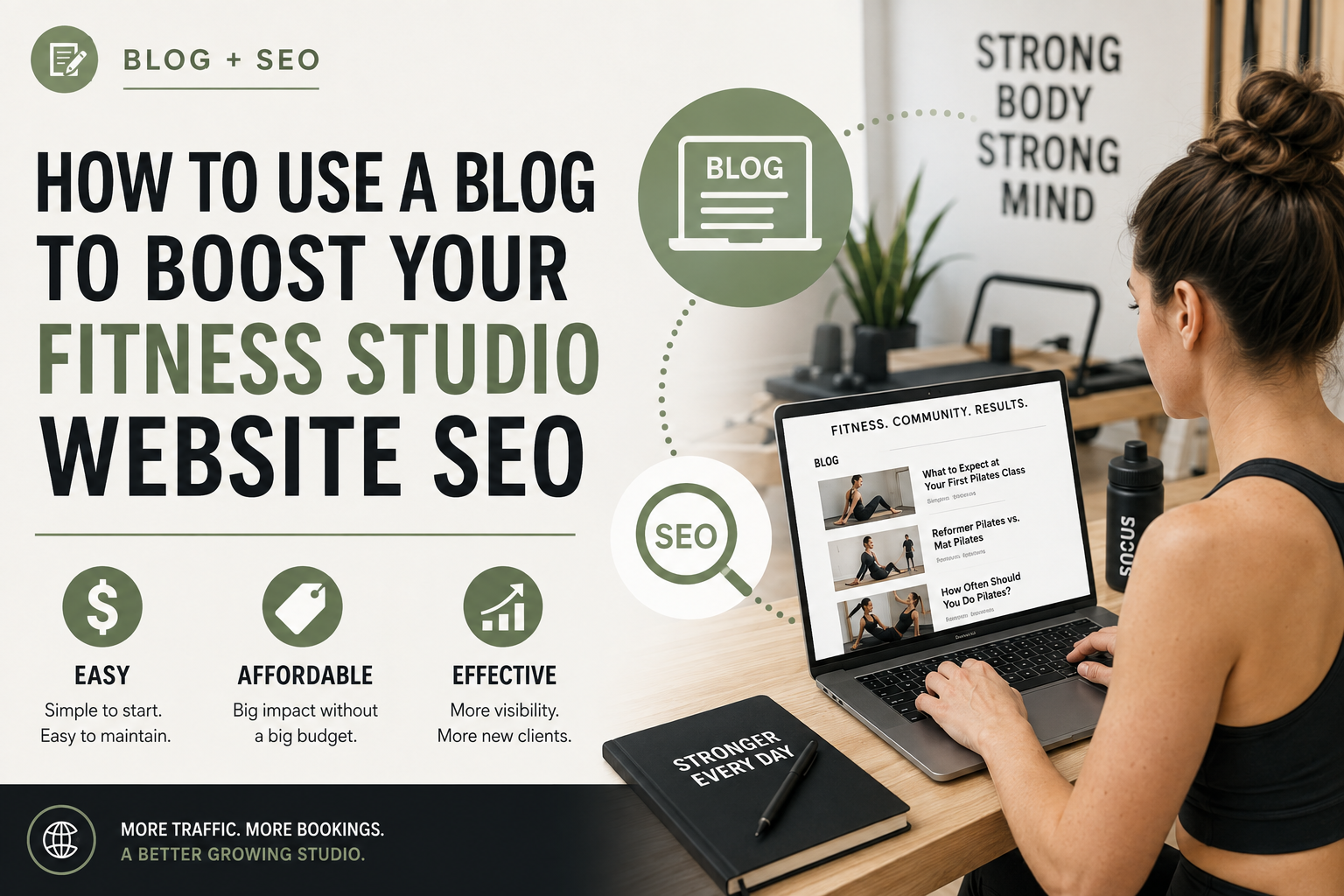
    How to Use a Blog to Boost Your Fitness Studio’s SEO

    Your fitness studio website shouldn’t just look good, it should help new clients find you.

    One of the simplest and most affordable ways to improve your website’s visibility on Google is also one of the most overlooked: blogging.

    You don’t need to become a full-time content creator or publish something every week. A small library of useful, well-written articles can help your website show up for more searches, answer questions prospective clients are already asking, and build authority for your studio over time.

    Here’s how it works, and how to make blogging manageable.

    Why Blogging Helps Fitness Studio SEO

    Think about how someone searches for a fitness studio.

    They may search directly for:

    • Pilates studio in Austin
    • Reformer Pilates near me
    • Spin classes in Denver
    • Best yoga studio in Scottsdale

    But those aren’t the only searches happening.

    Potential clients are also asking questions like:

    • What should I expect at my first Pilates class?
    • Is reformer Pilates good for beginners?
    • What should I wear to hot yoga?
    • How often should I take Pilates?
    • What’s the difference between Lagree and Pilates?
    • How do I prepare for my first cycling class?

    These searches create opportunities.

    Your homepage and class pages can only cover so much. A blog gives your website additional pages that can answer these specific questions and appear in relevant search results.

    Over time, those articles also help search engines better understand what your studio offers, where you operate, and what topics your website is an authority on.

    Blogging Is More Affordable Than You Might Think

    SEO can sound like something that requires a large marketing budget, an agency, or complicated software.

    Blogging doesn’t.

    If your website already has a blog, the primary investment is creating useful content. You can start with the knowledge your team already has.

    Your instructors answer questions every day. Your front desk explains memberships, class formats, and what first-timers should expect. Your studio probably already creates educational content for Instagram, newsletters, or other marketing channels.

    Much of that knowledge can become searchable website content.

    And unlike a social post that may disappear from your audience’s feed within a few days, a useful blog article can continue attracting visitors through search for months—or even years.

    What Should a Fitness Studio Write About?

    Start with your customers, not with keywords.

    Ask yourself: What does someone want to know before they book their first class?

    Those questions are often some of your best blog topics.

    For a Pilates studio, that might include:

    • Reformer Pilates vs. mat Pilates
    • What to expect at your first reformer class
    • Pilates for beginners
    • How often should you do Pilates?
    • What to wear to Pilates
    • Benefits of Pilates
    • Private sessions vs. group classes

    A cycling studio could cover first-ride preparation, cycling shoes, class intensity, recovery, or different class formats.

    A yoga studio could create resources around beginner yoga, class styles, heated vs. non-heated classes, equipment, flexibility, or preparing for your first class.

    The goal isn’t to write about everything related to fitness. Write about the subjects most closely connected to what your studio actually does.

    Make Your Content Local

    For a fitness studio, local visibility matters.

    You generally don’t need thousands of website visitors from around the country. You need the right people in your market discovering your studio.

    That makes local content particularly valuable.

    Instead of only writing:

    “A Beginner’s Guide to Reformer Pilates”

    you might publish:

    “A Beginner’s Guide to Reformer Pilates in Austin”

    Where appropriate, naturally mention your neighborhood, city, instructors, studio, or local community within the article.

    Don’t force your location into every sentence. Write naturally for a real person first, while giving search engines enough context to understand where your business operates.

    Connect Your Blog to the Rest of Your Website

    A blog shouldn’t be an island.

    If you write an article explaining what someone should expect during their first Pilates class, link readers directly to your Pilates class page or schedule.

    If you write about membership options, link to your pricing page.

    If you mention a specific studio, link to its location page.

    These internal links make it easier for visitors to take the next step while also helping search engines understand the structure and important pages of your website.

    A simple path might look like:

    Google Search → Helpful Article → Class Information → Schedule → Book

    That’s where SEO becomes more than website traffic. It becomes part of your customer journey.

    You Don’t Need to Post Every Week

    Consistency is useful, but quality matters more than volume.

    For most boutique fitness studios, publishing one or two genuinely useful articles per month is a much better strategy than trying to publish several low-quality posts every week.

    Start with 10–20 questions your team hears regularly.

    Turn each into an article.

    You now have months of potential content without having to constantly brainstorm new ideas.

    Even publishing once per month gives you 12 new searchable pages every year.

    A Few Simple Tips for Better Results

    Answer one clear question per article.
    A focused article usually has a better chance of being useful than trying to cover an entire fitness category at once.

    Use descriptive titles.
    “5 Things to Know Before Your First Reformer Pilates Class” tells both readers and search engines exactly what the page is about.

    Use headings.
    Break longer articles into clear sections so visitors can quickly scan for the information they need.

    Write like your studio.
    SEO content doesn’t need to sound robotic. Your blog should still reflect your studio’s personality and expertise.

    Include your location naturally.
    Your city, neighborhood, and studio locations can provide important context for local searches.

    Link to relevant pages.
    Guide readers toward classes, instructors, pricing, locations, schedules, and other useful parts of your website.

    Keep old articles updated.
    If pricing, policies, class formats, or recommendations change, update the article rather than letting outdated information remain online.

    Prioritize helpfulness over keyword stuffing.
    You don’t need to repeat “Pilates studio Austin” 15 times. Write the best answer to the question and make the topic and location clear.

    Turn Content You’re Already Creating Into Blog Posts

    You may already have more blog content than you realize.

    A strong Instagram caption can become the foundation of an article. A frequently asked question can become a 700-word guide. An instructor Q&A can become an educational post. A newsletter explaining a new class format can become an evergreen website resource.

    One idea can also work across multiple channels:

    Blog article → Email newsletter → Instagram post → Stories → Google Business Profile update

    Instead of constantly creating more content, get more mileage out of the content you’re already producing.

    Does Blogging Actually Work for Fitness Studios?

    Blogging isn’t an overnight SEO trick.

    A new article may take time to be discovered and gain visibility in search. But every useful article adds another relevant page to your website and another potential way for someone to discover your business.

    Publish 20 useful articles answering questions about your services, classes, instructors, and local market, and your website now has 20 additional opportunities to meet potential clients while they’re searching.

    That effect can compound over time.

    And because the content lives on a website you control, you’re building an asset for your studio rather than relying entirely on paid advertising or social media algorithms.

    Start Simple

    You don’t need an elaborate content strategy to get started.

    Pick five questions your studio gets all the time.

    Choose one.

    Write the clearest, most useful answer you can.

    Add a few headings, link to the relevant pages on your website, include a clear next step, and publish it.

    Then do it again next month.

    SEO is rarely about finding one magic tactic. It’s about consistently making your website more useful, relevant, and discoverable.

    For fitness studios, a simple blog is one of the easiest ways to start doing exactly that.

    Build a Website That Can Grow With Your Studio

    Your website should do more than provide basic information. It should help people discover your studio, understand what makes it different, and move easily from search to booking.

    IPSTUDIO Fitness Websites™ are built specifically for boutique fitness studios, with integrated booking experiences, mobile-first design, managed hosting, ongoing support, and a website foundation your studio can continue building on as you grow.