Blog

  • Reflecting on the Ads Engine Journey

    At IPSTUDIO, many of the products we built started from operational pain points we experienced firsthand while supporting fitness brands at scale.

    Ads Engine was one of those products.

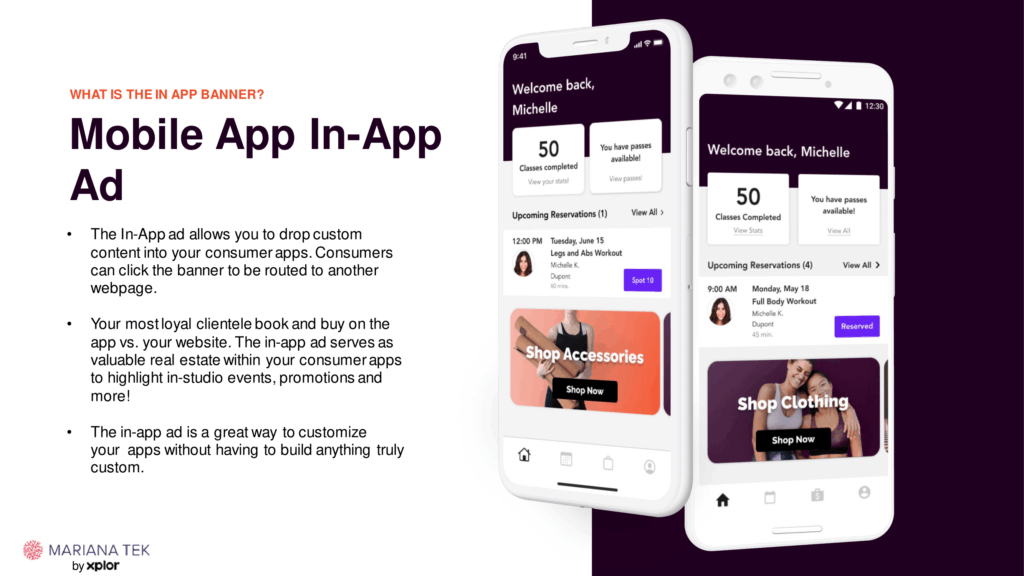
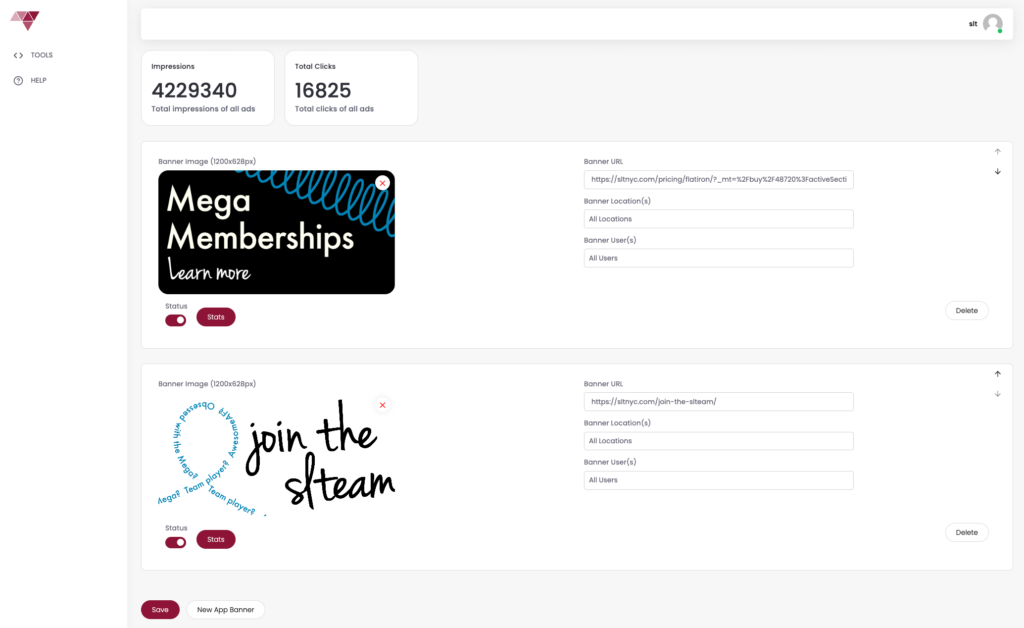
    Before Ads Engine, updating in-app banners and promotional ads inside the Mariana Tek ecosystem often required editing code files directly. For many studios, that meant submitting requests to developers for even small updates like changing promotional graphics, offers or links.

    We were the team handling many of those requests across multiple brands and quickly realized the workflow was far more manual, time-consuming and expensive than it needed to be.

    So we built Ads Engine.

    The goal was simple:
    Give studio operators a fast, intuitive way to manage in-app promotions themselves without touching code or needing developer involvement.

    What once required engineering support could suddenly be done in just a few clicks through a centralized dashboard.

    Over time, the product expanded through a reseller-driven growth model and became widely adopted across the boutique fitness ecosystem.

    Eventually, Ads Engine transitioned into the Mariana Tek ecosystem as part of IPSTUDIO’s broader partnership journey with Xplor Mariana Tek.

    Looking back, Ads Engine reinforced something we strongly believe: The best software products often come from solving real operational friction experienced by actual users and teams every day.

    We’re proud of the role IPSTUDIO played in simplifying digital operations for studios and helping make in-app marketing more accessible, scalable and efficient.

    And as always, we’re grateful to every studio partner who trusted the platform along the way.

  • Reflecting on the Gamification Journey

    From an idea launched at IPSTUDIO to one of the most recognized engagement experiences in boutique fitness.

    In 2020, IPSTUDIO launched Challenges by IPSTUDIO™ with a simple goal: help fitness brands create more engaging, motivating and rewarding member experiences through gamification.

    What started as an independent product evolved into a widely adopted engagement experience used across the boutique fitness ecosystem through our collaboration with Xplor Mariana Tek.

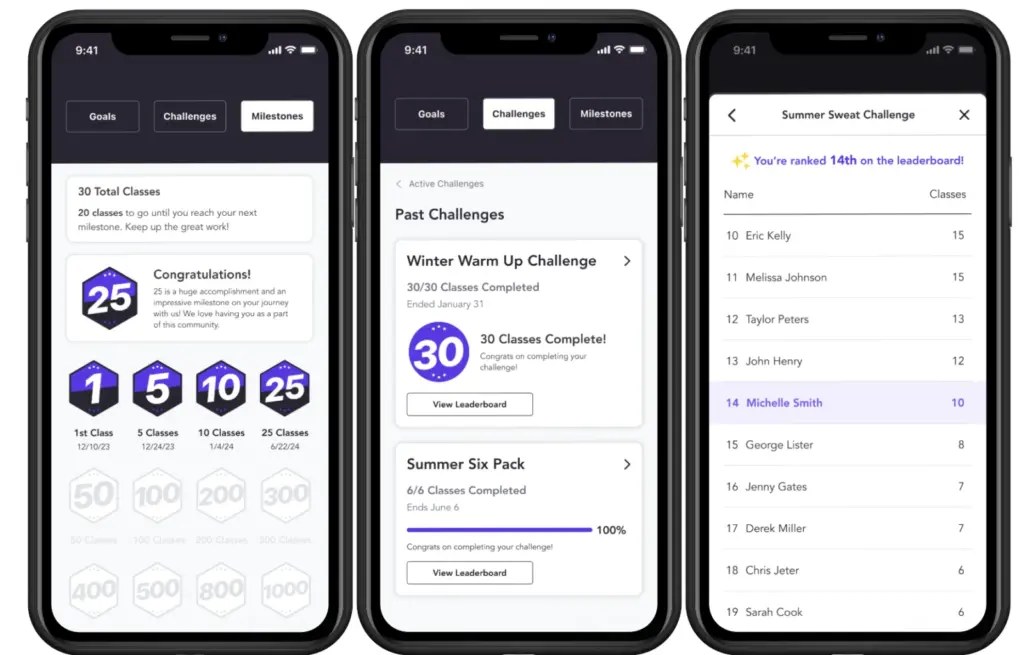
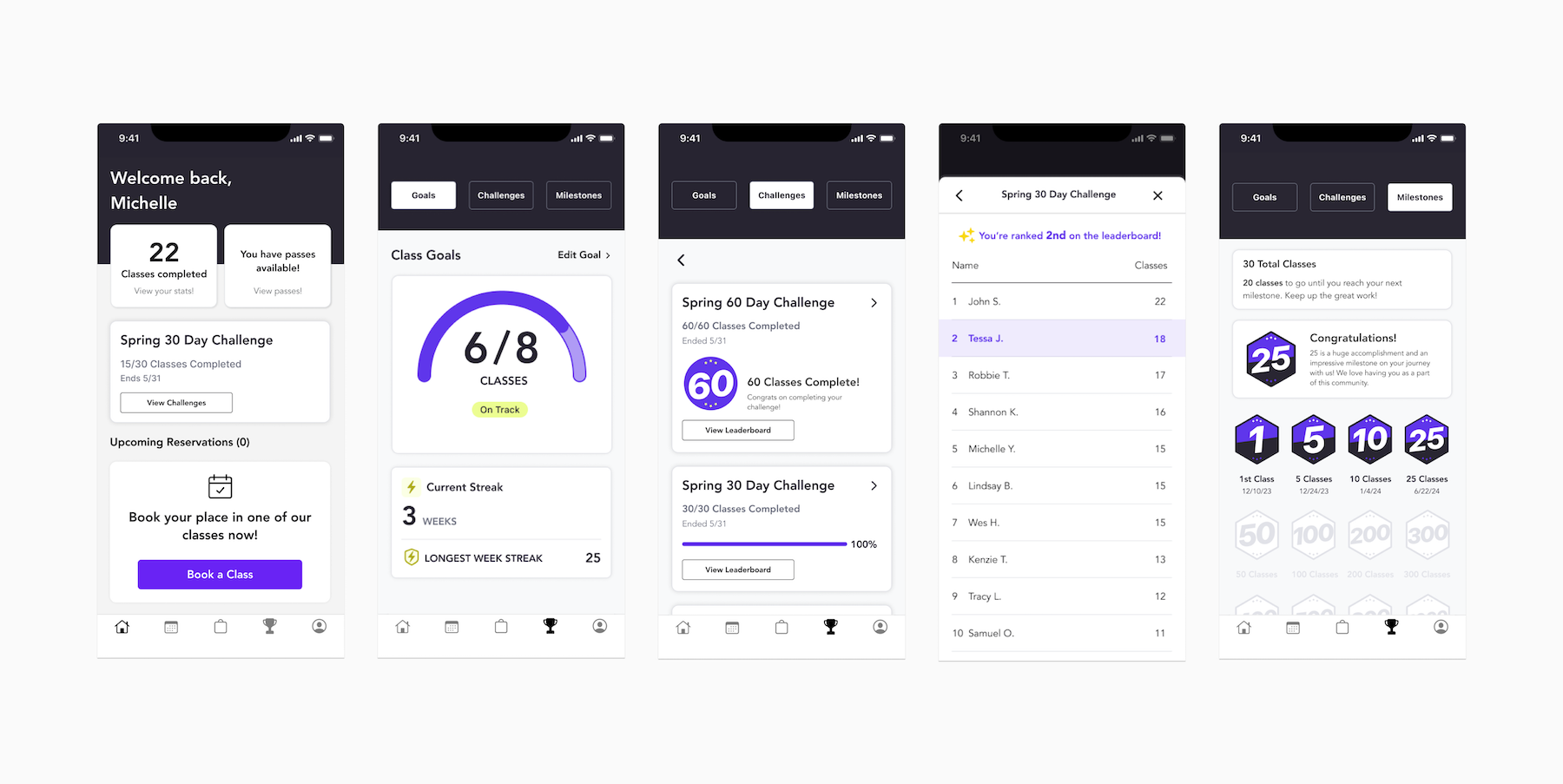
    Over the years, the platform introduced features designed to encourage consistency, accountability and long-term engagement, including:

    • Challenges
    • Leaderboards
    • Milestones
    • Streak tracking
    • Activity heat maps
    • Goal-based experiences

    Seeing studios and members embrace these experiences at scale has been incredibly rewarding for our team.

    We’re proud to have helped pioneer gamification experiences within the boutique fitness space and grateful for the opportunity to contribute to a platform that has supported hundreds of thousands of fitness goal-setting experiences across the ecosystem.

    As part of IPSTUDIO’s broader partnership journey with Xplor Mariana Tek, the Gamification platform transitioned into the Xplor ecosystem, where it continues to evolve.

    Building products that improve digital member experiences has always been core to what we do at IPSTUDIO. The success of Gamification reinforced our belief that the future of fitness extends far beyond booking classes — it’s about engagement, retention, motivation and connected digital experiences.

    While our focus today continues through products and services like:

    We’ll always be proud of the role IPSTUDIO played in helping shape the gamification experience used throughout the ecosystem today.

    To every studio, instructor and member who participated in challenges, maintained streaks and pushed toward new milestones over the years: thank you.

    We’re excited for what’s ahead.

  • Why Every Boutique Studio Needs an On Demand Strategy

    Digital fitness is no longer optional — it’s part of the modern member experience.

    The fitness industry changed permanently over the past few years. Members now expect flexibility in how, when and where they engage with fitness content.

    Even studios with strong in-person attendance are increasingly discovering that on demand content improves retention, engagement and recurring revenue.

    Streaming is no longer just an add-on feature. It has become part of the overall studio ecosystem.

    Members Want Flexibility

    Today’s members often balance:

    • Work schedules
    • Travel
    • Family obligations
    • Hybrid routines

    They may not always make it into the studio physically, but they still want to stay connected to the brand and instructors they trust.

    On demand content allows studios to maintain engagement even when members are outside the studio walls.

    That ongoing connection matters.

    Retention Happens Between Visits

    One of the biggest advantages of digital content is increased member touchpoints.

    Instead of interacting with a studio only during physical visits, members can engage through:

    • At-home workouts
    • Recovery content
    • Stretching classes
    • Beginner programs
    • Challenges
    • Instructor-led series

    More engagement typically leads to stronger retention.

    Studios building consistent digital habits often create deeper long-term member relationships.

    Streaming Creates New Revenue Opportunities

    On demand platforms can support:

    • Digital memberships
    • Hybrid memberships
    • Paid content libraries
    • Challenges and programs
    • Remote member access
    • Supplemental recurring revenue

    Many studios are now serving both local and non-local audiences simultaneously.

    The physical studio is no longer the only revenue channel.

    Connected Experiences Matter

    Disconnected streaming experiences often create operational headaches for both members and staff.

    Modern platforms like On Demand by IPSTUDIO™ focus on creating connected experiences through:

    • Unified member accounts
    • Membership-based content access
    • Integrated login experiences
    • Website and app continuity

    Members increasingly expect digital convenience across all touchpoints.

    Content Extends Brand Value

    Your instructors, training style and community are valuable beyond the physical studio itself.

    Streaming content allows studios to:

    • Scale instructor impact
    • Reinforce brand identity
    • Build stronger member loyalty
    • Stay top of mind between visits

    The strongest boutique fitness brands are becoming media brands as much as physical locations.

    The Future Is Hybrid

    Boutique fitness is no longer strictly in-person or digital.

    It’s both.

    Studios investing in hybrid member experiences are building stronger long-term positioning while increasing flexibility for modern consumers.

    The future belongs to connected fitness ecosystems that combine physical experiences with digital engagement.

  • Why Embedded Booking Experiences Convert Better

    Reducing friction across the member journey through connected fitness website experiences.

    One of the biggest conversion problems in boutique fitness is fragmented booking experiences. A potential member discovers a studio, clicks “Book Now,” then suddenly lands on a completely different-looking platform with unfamiliar branding, additional login steps and a disconnected checkout flow.

    Every extra step creates friction. Every moment of confusion increases drop-off.

    Modern fitness brands are increasingly shifting toward embedded booking experiences that keep members inside a unified digital environment from discovery through purchase.

    Why Redirect-Based Booking Flows Hurt Conversion

    Traditional booking flows often:

    • Open separate booking portals
    • Break visual brand continuity
    • Require multiple logins
    • Create mobile usability issues
    • Increase abandonment during checkout

    For users, this creates uncertainty. Many assume they’ve left the studio website entirely.

    In a highly competitive fitness market, even small UX disruptions can reduce registrations and purchases.

    Embedded Experiences Create Trust

    Embedded booking experiences allow studios to maintain:

    • Consistent branding
    • Unified navigation
    • Connected account experiences
    • Smoother mobile usability
    • Faster purchasing flows

    This is especially important for modern consumers who expect app-like experiences across digital products.

    Studios using connected platforms like Mariana Tek are increasingly investing in embedded pricing, scheduling and account flows to reduce booking friction.

    The best member experiences feel seamless from homepage to checkout.

    Mobile Behavior Has Changed Everything

    Most fitness website traffic now happens on mobile devices.

    Users are often:

    • Browsing between meetings
    • Booking from their car
    • Purchasing memberships quickly during daily routines

    Complex redirects and slow-loading booking systems create immediate abandonment risk.

    Embedded experiences help simplify:

    • Registrations
    • Membership purchases
    • Trial activations
    • Account access
    • Schedule browsing

    Reducing clicks often directly improves conversion rates.

    Brand Consistency Matters

    Boutique fitness is experience-driven. Branding consistency impacts perceived quality and trust.

    When users move between disconnected systems with different layouts, fonts, colors and navigation patterns, confidence drops.

    Embedded experiences help studios create stronger digital brand continuity across:

    • Websites
    • Scheduling
    • Pricing
    • Member accounts
    • Purchases

    This creates a more premium and professional experience.

    Connected Digital Ecosystems Are Becoming the Standard

    Modern studios are increasingly connecting:

    • Websites
    • Mobile apps
    • Streaming platforms
    • Ecommerce
    • Membership systems

    The website is no longer separate from operations. It is part of the operational member experience.

    Studios investing in connected digital ecosystems are positioning themselves for stronger:

    • Conversion
    • Engagement
    • Retention
    • Lifetime value

    The future of boutique fitness is integrated.

  • The Modern Boutique Fitness Website in 2026

    Why the fitness industry is moving beyond generic websites toward connected digital member experiences.

    The boutique fitness industry has evolved dramatically over the past few years. Members now expect a seamless digital experience across discovery, booking, purchasing, account management and ongoing engagement. In 2026, a studio website is no longer just a marketing asset — it’s a core operational and conversion platform.

    Yet many fitness brands still operate on outdated websites that create friction, slow down registrations and disconnect the member journey.

    The modern boutique fitness website looks very different.

    The Website Is Now Part of the Product

    For many studios, the website is the very first interaction a potential member has with the brand. Before someone walks through the studio doors, they’ve already judged the business based on:

    • Mobile experience
    • Site speed
    • Booking flow
    • Ease of navigation
    • Pricing clarity
    • Brand presentation
    • Account experience

    A slow or confusing website creates immediate drop-off.

    Today’s members expect the same level of digital polish they experience from leading consumer apps and subscription platforms. If the booking flow feels disconnected, outdated or frustrating, conversion rates suffer.

    Modern fitness brands are increasingly investing in websites that function as connected member experiences rather than static brochure sites.

    Mobile-First Is No Longer Optional

    Most boutique fitness traffic now comes from mobile devices. This means websites must be designed mobile-first from the very beginning.

    That includes:

    • Fast page loads
    • Thumb-friendly navigation
    • Simplified booking flows
    • Optimized forms
    • Clear calls to action
    • Embedded purchasing experiences

    Many generic website builders still prioritize desktop layouts first, then adapt them for mobile afterward. The result is often cluttered layouts, awkward booking experiences and unnecessary friction.

    In boutique fitness, small UX issues directly impact registrations and purchases.

    Booking Friction Kills Conversion

    One of the largest problems in the fitness industry is fragmented booking experiences.

    A common flow still looks like this:

    1. User lands on the studio website
    2. Clicks “Book”
    3. Gets redirected to another platform
    4. Sees different branding
    5. Needs to log in again
    6. Encounters multiple steps before purchase

    Every additional step creates drop-off risk.

    Studios using connected embedded flows through platforms like Mariana Tek are increasingly reducing this friction by creating more seamless digital journeys.

    Integrated schedules, pricing pages, account management and registration flows help maintain brand consistency while improving conversion rates and member trust.

    The best fitness websites today feel unified from discovery through checkout.

    Speed Matters More Than Most Studios Realize

    Website performance directly impacts:

    • SEO visibility
    • Conversion rates
    • Bounce rates
    • Mobile usability
    • Advertising efficiency

    Slow-loading websites create frustration before users even engage with the brand.

    This is especially important in fitness where users are often browsing quickly between work, commuting or daily activities. If a website takes too long to load, many users simply leave.

    Modern fitness websites should prioritize:

    • Lightweight page structures
    • Optimized hosting environments
    • Efficient media delivery
    • Clean codebases
    • Minimal unnecessary plugins/scripts

    Performance is no longer just a technical concern — it’s a business metric.

    SEO Should Be Built In From Day One

    Many studio websites treat SEO as an afterthought. In reality, technical SEO decisions made during the build process can significantly impact long-term visibility.

    Modern boutique fitness websites should launch with:

    • Proper page hierarchy
    • Structured metadata
    • Mobile optimization
    • Local SEO foundations
    • Fast performance
    • Clean URLs
    • Optimized location pages

    Studios competing in crowded markets need every advantage possible in local search visibility.

    Strong SEO foundations compound over time.

    Connected Member Experiences Are Becoming the Standard

    The strongest fitness brands are increasingly connecting:

    • Websites
    • Booking systems
    • Member accounts
    • Mobile apps
    • Streaming platforms
    • Retail experiences

    Members expect continuity across all touchpoints.

    This is one reason connected platforms like On Demand by IPSTUDIO™ and integrated ecommerce experiences are becoming more important inside the boutique fitness ecosystem.

    Studios are no longer thinking only about registrations. They’re thinking about retention, engagement and long-term digital relationships with members.

    The website now sits at the center of that ecosystem.

    The Future of Fitness Websites

    The modern boutique fitness website is:

    • Fast
    • Mobile-first
    • Conversion-focused
    • SEO-ready
    • Deeply integrated
    • Brand-consistent
    • Retention-oriented

    Studios that continue relying on disconnected or outdated digital experiences will increasingly struggle to compete as consumer expectations continue rising.

    The fitness brands seeing the strongest growth in 2026 are investing in connected digital ecosystems that reduce friction, improve engagement and support long-term member retention.

    Your website is no longer just a website.

    It’s part of the member experience.

  • Seamless Studio Launches: IPSTUDIO Becomes Official Web Integrations Partner for Xplor Mariana Tek

    Opening your studio’s doors (virtual or brick-and-mortar) should be an exhilarating milestone, not a headache. That’s why we’re thrilled to announce that IPSTUDIO is the official web integrations service partner for Xplor Mariana Tek. Whether you’re rolling out a brand-new fitness concept or refreshing your existing site, our mission is to turn one of the most nerve-racking phases—getting your scheduling, membership, and customer accounts online—into a smooth, stress-free experience.

    Why IPSTUDIO x Mariana Tek Is a Game Changer

    • Fitness-Focused Since Day One. We’ve specialized exclusively in fitness web integrations services since 2016. Over nearly a decade we’ve honed our expertise in the unique needs and pain points of studio owners.
    • 500+ Brands Strong. From boutique yoga studios to high-energy cycling clubs, we’ve partnered with over 500 fitness brands across the world—learning what works (and what doesn’t) in real-life scenarios.
    • CMS Flexibility. WordPress, Squarespace, Wix, Webflow, Drupal, you name it—we’ve done it. Our team has the technical chops to drop Mariana Tek integrations into virtually any content management system (except Godaddy Website builder!), tailoring the build to your site’s theme, design, and functionality needs.

    What We Bring to the Table

    1. Deep Mariana Tek Expertise
      As a long time partner for Xplor Mariana Tek, we’re constantly plugged into their latest APIs, feature updates, and best practices. You’ll always get your web integrations done right—no DIY guesswork required.
    2. Turnkey Implementation
      We handle everything: from initial sandbox, testing and final production QA. Our goal: You keep your focus on running your studio, not wrestling with embed codes or iFrames.
    3. Lightning-Fast Support
      Launch day jitters? We’ve got your back. Our rapid-response support is on standby to troubleshoot and make necessary adjustments—often before that first client even clicks “Book Now.”
    4. Optimized for Conversions
      Integrations aren’t just about functionality—they’re about driving revenue. We’ll make sure your class schedules are crystal clear, your membership upsells are front and center, and your checkout flows are bulletproof.

    Studio Owners Love the Relief

    “Working with IPSTUDIO made transitioning booking and POS systems – probably one of the most nerve-wracking decisions a business owner could make – so much less stressful. They are professional, timely, straightforward and very helpful. I highly recommend working with them.”

     — Carolyn Williams, Founder, Zephyr Cycling Studio

    Ready to Launch with Confidence?

    If you’re gearing up for a new site launch or looking to supercharge your existing web presence, let’s chat. As the official web integrations partner for Xplor Mariana Tek—and with nearly a decade of fitness-focused experience behind us—IPSTUDIO is here to make your integration painless, reliable, and revenue-ready.

    Get in touch today or reply to this post for a free integration roadmap. Here’s to your smoothest launch yet! 

  • Launch Now, Perfect Later: How to Build a Boutique Fitness Website Without Final Media or Copy

    Launch Now, Perfect Later: How to Build a Boutique Fitness Website Without Final Media or Copy

    Starting a boutique fitness studio is an exciting journey, but one filled with moving parts. From choosing equipment to building your team and planning your grand opening, it’s easy to push website development to the back burner. Many studio owners ask:

    “How can I build a website without brand photos, videos, or finalized copy?”

    The answer: You don’t have to wait.

    With IPSTUDIO Fitness Websites™, you can launch a polished, high-converting site tailored specifically for boutique fitness—even before your studio is open or your content is ready. Here’s how:

    Step 1: Build a Website That Grows With You

    Our platform, delivered by ipstudio.co, is purpose-built for fitness studios. It integrates seamlessly with systems like Mariana Tek, is mobile-friendly by design, and comes with expert support for ongoing updates.

    Even without your own media or copy, you’ll get a modern, professional site that captures leads, builds presale momentum, and introduces your brand with confidence. It’s designed to evolve as your business grows.

    Step 2: Use Stock Media to Represent Your Brand for Now

    No photoshoot? No problem. Until your space is photo-ready, use high-quality stock photos and videos from platforms like Pexels, Unsplash, or Adobe Stock. Choose images that reflect your studio’s energy, whether it’s peaceful yoga flows or heart-pumping HIIT.

    Once you have your own visuals, we’ll help you swap them in seamlessly.

    Step 3: Use AI Tools Like ChatGPT for Copywriting, Scripting & More

    Feeling stuck on copy? Let AI help.

    Tools like ChatGPT can generate professional, on-brand content tailored to your goals and target audience. Whether you’re drafting your homepage or prepping an email announcement, ChatGPT can help you:

    • Write compelling “About Us” and team bios
    • Create persuasive presale or class descriptions
    • Script welcome videos or Instagram reels
    • Brainstorm blog posts, promotions, and more

    You can edit and refine AI-generated content to match your voice—and get past the blank page faster.

    ⚡ Bonus: You can even use AI tools like DALL·E or Canva’s Magic Media to generate placeholder images or branded graphics until your official media is ready.

    Step 4: Include Features That Drive Presales

    Even before you open, your site should be working for you. Here are must-haves for presale success:

    • Email Collection Forms
      Grow your list and generate excitement with early access or grand opening updates.
    • Presale Offers
      Sell memberships, intro packages, or branded merch ahead of launch.
    • Integrated Booking
      Tools like Mariana Tek let you open booking windows, manage class caps, and streamline the signup experience.

    Step 5: Treat Your Site Like a Living Project

    Your first site version is just the beginning. With IPSTUDIO Fitness Websites™, your site evolves with you—whether you’re adding new classes, updating visuals, or showcasing testimonials and results.

    We include ongoing updates and expert support, so your site always reflects the best version of your brand.

    Conclusion

    Launching your fitness website doesn’t have to wait for perfect photos or final copy. With IPSTUDIO’s turnkey platform, high-quality stock media, and creative AI tools like ChatGPT, you can build an online presence that drives revenue and builds buzz—before your doors even open.

    You’ll have a website that’s functional now and scalable for the long haul—with the flexibility to grow alongside your studio.

    Ready to launch your fitness website the smart way?
    Contact us today and let’s build your studio’s digital home—no delays, no stress.

  • IPSTUDIO Partners with Xplor Mariana Tek for Gamification Integration

    IPSTUDIO Partners with Xplor Mariana Tek for Gamification Integration

    A New Era of Fitness Engagement

    We are thrilled to announce our exciting partnership with Xplor Mariana Tek, a leading platform in the fitness industry. Together, we are set to revolutionize how fitness enthusiasts engage with their goals by delivering advanced Gamification features into the Xplor Growth hub. This collaboration marks a significant milestone in our journey to enhance user experiences through innovative and interactive solutions.

    Unleashing the Power of Gamification

    At IPSTUDIO, we believe in the power of Gamification to transform ordinary fitness routines into extraordinary experiences. By partnering with Xplor Mariana Tek, we aim to bring a new level of motivation and engagement to their users by creating a dynamic and rewarding environment for fitness enthusiasts. Our core Gamification features, including challenges, leaderboards, milestones, streaks, and activity maps will be enhanced and integrated into the Xplor Growth hub.

    Challenges: Users can participate in various fitness challenges based on class type(s), location(s) and instructor(s) These challenges are designed to keep users motivated and engaged, pushing them to achieve new heights in their fitness journey.

    Leaderboards: Leaderboards foster a sense of friendly competition among users by tracking enrolled users progress and showing how they stack up against others, inspiring enrollees to push harder and stay committed to their fitness goals.

    Milestones: Celebrating milestones is a crucial aspect of maintaining motivation. Our Gamification features will highlight users’ achievements, providing them with a sense of accomplishment and encouraging them to set and achieve new fitness milestones.

    Streaks: Consistency is key in any fitness journey. With our streaks feature, users can set their goal and see how many times they’ve hit it with their current and longest streaks. This feature will help users build healthy habits and stay dedicated to their fitness regimen.

    Heat Map: The heat map provides users with a visual representation of their fitness journey. It will showcase their progress, achievements, and areas of improvement, allowing them to have a comprehensive view of their fitness activities over the span of a year.

    IPSTUDIO: A Legacy of Innovation

    Since launching our Gamification product in 2020 as “Challenges by IPSTUDIO™”, IPSTUDIO has been at the forefront of innovation in the fitness industry. We have continuously researched and developed our features to best meet the needs of fitness consumers. Our dedication to creating engaging and effective solutions has driven us to refine and expand our gamification offerings, ensuring that users have access to the most motivating and enjoyable fitness experiences possible.

    Collaborating with Xplor Product Team

    Our partnership with Xplor Mariana Tek goes beyond just integrating features. We are working closely with the Xplor product team to continuously enhance the product’s style, integration, features, and usability. Our goal is to ensure that the Gamification elements are not just add-ons but are seamlessly woven into the fabric of the Xplor Growth hub, providing a cohesive and intuitive user experience.

    Together, we are committed to pushing the boundaries of what is possible in the fitness industry. By combining our expertise in Gamification with Xplor Mariana Tek’s robust platform, we are poised to deliver a fitness experience that is engaging, motivating, and above all, fun.

    Looking Ahead

    As we embark on this exciting journey with Xplor Mariana Tek, we are eager to see the positive impact our Gamification features will have on users’ fitness journeys. This partnership represents a significant step forward in our mission to make fitness more engaging and rewarding for everyone.

    Stay tuned for more updates as we continue to innovate and enhance the Xplor Growth hub with cutting-edge Gamification features. Together, we are transforming the fitness landscape, one challenge, milestone, and streak at a time.

    For more information about our Gamification features and partnership with Xplor Mariana Tek, visit our website at ipstudio.co.


    We look forward to continuing this journey with Xplor Mariana Tek and empowering fitness enthusiasts worldwide with the tools they need to achieve their goals. Thank you for being a part of this exciting adventure!


    IPSTUDIO Team

  • Demystifying DMARC Policies: Enhancing Email Security with Precision

    Demystifying DMARC Policies: Enhancing Email Security with Precision

    In the digital age, email has become a cornerstone of communication, both personally and professionally. However, with the convenience and ubiquity of email comes a host of security challenges, chief among them being email spoofing and phishing attacks. To combat these threats, organizations are turning to DMARC (Domain-based Message Authentication, Reporting, and Conformance) policies. In this blog post, we’ll delve into what DMARC policies are, why they’re needed, and provide examples to illustrate their importance.

    Understanding DMARC Policies:

    DMARC is an email authentication protocol that builds on two existing mechanisms: SPF (Sender Policy Framework) and DKIM (DomainKeys Identified Mail). SPF allows senders to specify which IP addresses are authorized to send emails on behalf of a domain, while DKIM adds a digital signature to emails, verifying their authenticity.

    DMARC goes a step further by providing a framework for receivers (mail servers) to determine how to handle emails that fail SPF and DKIM checks. It allows domain owners to publish policies instructing receivers on how to handle such emails, whether to deliver them, quarantine them, or reject them outright.

    Why DMARC is Needed:

    1. Preventing Email Spoofing: Email spoofing involves forging the sender’s address to make it appear as if the email originated from a trusted source. DMARC helps prevent this by allowing domain owners to specify strict policies for email authentication.
    2. Combatting Phishing Attacks: Phishing emails often impersonate legitimate entities to trick recipients into divulging sensitive information or downloading malicious content. DMARC helps identify and block these fraudulent emails, thereby safeguarding users against phishing attacks.
    3. Enhancing Email Deliverability: By implementing DMARC policies, organizations can improve their email deliverability rates. ISPs (Internet Service Providers) and email providers are more likely to deliver emails from domains with properly configured DMARC records, reducing the risk of legitimate emails being marked as spam.

    Examples of DMARC Policies in Action:

    1. Reject Policy: A domain owner sets a DMARC policy to “reject,” instructing receivers to reject any emails that fail both SPF and DKIM checks. This ensures that only authenticated emails from authorized senders are delivered to recipients.
    2. Quarantine Policy: In a quarantine policy, emails that fail authentication checks are diverted to the recipient’s spam or quarantine folder rather than being outright rejected. This provides an additional layer of protection while allowing recipients to review potentially suspicious emails.
    3. Monitoring Policy: Some domain owners initially opt for a “monitoring” policy, where DMARC reports are generated and sent to the specified email address without taking any action on failing emails. This allows organizations to assess the impact of implementing DMARC before enforcing stricter policies.

    Example DMARC Policies:

    Reject Policy:

     v=DMARC1; p=reject; rua=mailto:dmarc@example.com; ruf=mailto:dmarc@example.com; fo=1; pct=100; aspf=r; adkim=r

    Explanation:

    • v=DMARC1: Indicates the DMARC version being used.
    • p=reject: Instructs receivers to reject any emails that fail both SPF and DKIM checks.
    • rua=mailto:dmarc@example.com: Specifies the email address where aggregate DMARC reports should be sent.
    • ruf=mailto:dmarc@example.com: Specifies the email address where forensic DMARC reports should be sent.
    • fo=1: Indicates that forensic reports should be generated if the DMARC policy fails.
    • pct=100: Specifies that the DMARC policy should be applied to 100% of emails.
    • aspf=r: Specifies relaxed alignment mode for SPF.
    • adkim=r: Specifies relaxed alignment mode for DKIM.

    Quarantine Policy:

     v=DMARC1; p=quarantine; rua=mailto:dmarc@example.com; ruf=mailto:dmarc@example.com; fo=1; pct=100; aspf=r; adkim=r

    Explanation:

    • p=quarantine: Instructs receivers to quarantine emails that fail authentication checks by diverting them to the recipient’s spam or quarantine folder.
    • Other parameters remain the same as in the “Reject Policy” example.

    Monitoring Policy:

     v=DMARC1; p=none; rua=mailto:dmarc@example.com; ruf=mailto:dmarc@example.com; fo=1; pct=100; aspf=r; adkim=r

    Explanation:

    • p=none: Specifies that no action should be taken on failing emails. This is typically used for monitoring purposes.
    • Other parameters remain the same as in the previous examples.

    Minimum Policy:

    v=DMARC1; p=none; rua=mailto:dmarc@example.com

    Explanation:

    • p=none: This tag sets the DMARC policy to “none,” which means no specific action will be taken on emails that fail the DMARC checks. Instead of rejecting or quarantining these emails, the policy instructs email receivers to generate and send DMARC reports to the domain owner without enforcing any strict action on the failed emails.
    • Other parameters remain the same as in the previous examples.

    These sample DMARC policies demonstrate how domain owners can configure DMARC to enforce different levels of email authentication and handling based on their security requirements and risk tolerance.

    Conclusion:

    In an era where cyber threats continue to evolve, securing email communication is paramount for organizations of all sizes. DMARC policies serve as a powerful tool in the fight against email fraud, offering granular control over email authentication and helping protect both senders and recipients from malicious activities. By understanding and implementing DMARC policies effectively, organizations can bolster their email security posture and foster trust among their stakeholders in an increasingly digital world.

  • How to Use a Blog to Boost Your Fitness Studio’s SEO

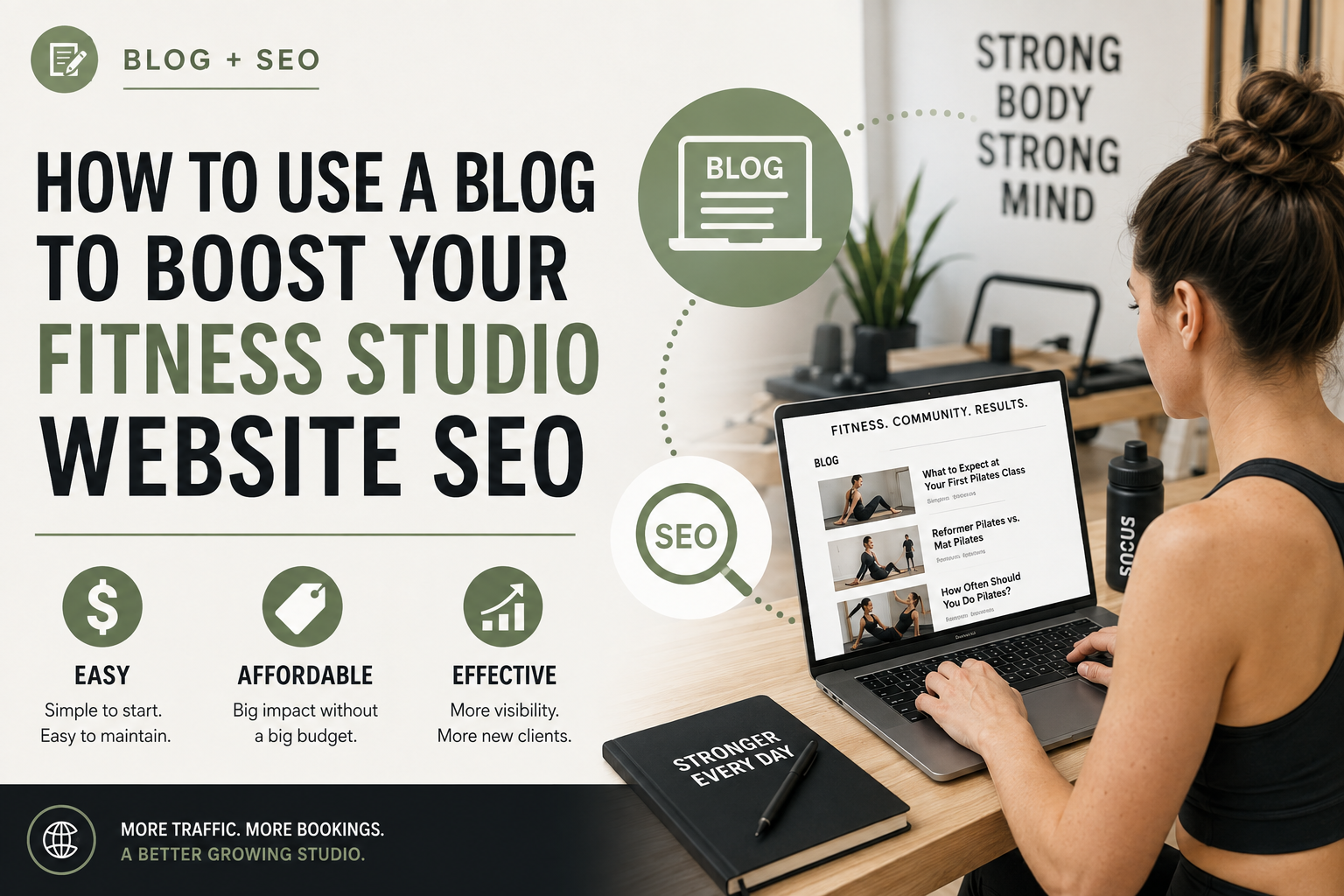
    How to Use a Blog to Boost Your Fitness Studio’s SEO

    Your fitness studio website shouldn’t just look good, it should help new clients find you.

    One of the simplest and most affordable ways to improve your website’s visibility on Google is also one of the most overlooked: blogging.

    You don’t need to become a full-time content creator or publish something every week. A small library of useful, well-written articles can help your website show up for more searches, answer questions prospective clients are already asking, and build authority for your studio over time.

    Here’s how it works, and how to make blogging manageable.

    Why Blogging Helps Fitness Studio SEO

    Think about how someone searches for a fitness studio.

    They may search directly for:

    • Pilates studio in Austin
    • Reformer Pilates near me
    • Spin classes in Denver
    • Best yoga studio in Scottsdale

    But those aren’t the only searches happening.

    Potential clients are also asking questions like:

    • What should I expect at my first Pilates class?
    • Is reformer Pilates good for beginners?
    • What should I wear to hot yoga?
    • How often should I take Pilates?
    • What’s the difference between Lagree and Pilates?
    • How do I prepare for my first cycling class?

    These searches create opportunities.

    Your homepage and class pages can only cover so much. A blog gives your website additional pages that can answer these specific questions and appear in relevant search results.

    Over time, those articles also help search engines better understand what your studio offers, where you operate, and what topics your website is an authority on.

    Blogging Is More Affordable Than You Might Think

    SEO can sound like something that requires a large marketing budget, an agency, or complicated software.

    Blogging doesn’t.

    If your website already has a blog, the primary investment is creating useful content. You can start with the knowledge your team already has.

    Your instructors answer questions every day. Your front desk explains memberships, class formats, and what first-timers should expect. Your studio probably already creates educational content for Instagram, newsletters, or other marketing channels.

    Much of that knowledge can become searchable website content.

    And unlike a social post that may disappear from your audience’s feed within a few days, a useful blog article can continue attracting visitors through search for months—or even years.

    What Should a Fitness Studio Write About?

    Start with your customers, not with keywords.

    Ask yourself: What does someone want to know before they book their first class?

    Those questions are often some of your best blog topics.

    For a Pilates studio, that might include:

    • Reformer Pilates vs. mat Pilates
    • What to expect at your first reformer class
    • Pilates for beginners
    • How often should you do Pilates?
    • What to wear to Pilates
    • Benefits of Pilates
    • Private sessions vs. group classes

    A cycling studio could cover first-ride preparation, cycling shoes, class intensity, recovery, or different class formats.

    A yoga studio could create resources around beginner yoga, class styles, heated vs. non-heated classes, equipment, flexibility, or preparing for your first class.

    The goal isn’t to write about everything related to fitness. Write about the subjects most closely connected to what your studio actually does.

    Make Your Content Local

    For a fitness studio, local visibility matters.

    You generally don’t need thousands of website visitors from around the country. You need the right people in your market discovering your studio.

    That makes local content particularly valuable.

    Instead of only writing:

    “A Beginner’s Guide to Reformer Pilates”

    you might publish:

    “A Beginner’s Guide to Reformer Pilates in Austin”

    Where appropriate, naturally mention your neighborhood, city, instructors, studio, or local community within the article.

    Don’t force your location into every sentence. Write naturally for a real person first, while giving search engines enough context to understand where your business operates.

    Connect Your Blog to the Rest of Your Website

    A blog shouldn’t be an island.

    If you write an article explaining what someone should expect during their first Pilates class, link readers directly to your Pilates class page or schedule.

    If you write about membership options, link to your pricing page.

    If you mention a specific studio, link to its location page.

    These internal links make it easier for visitors to take the next step while also helping search engines understand the structure and important pages of your website.

    A simple path might look like:

    Google Search → Helpful Article → Class Information → Schedule → Book

    That’s where SEO becomes more than website traffic. It becomes part of your customer journey.

    You Don’t Need to Post Every Week

    Consistency is useful, but quality matters more than volume.

    For most boutique fitness studios, publishing one or two genuinely useful articles per month is a much better strategy than trying to publish several low-quality posts every week.

    Start with 10–20 questions your team hears regularly.

    Turn each into an article.

    You now have months of potential content without having to constantly brainstorm new ideas.

    Even publishing once per month gives you 12 new searchable pages every year.

    A Few Simple Tips for Better Results

    Answer one clear question per article.
    A focused article usually has a better chance of being useful than trying to cover an entire fitness category at once.

    Use descriptive titles.
    “5 Things to Know Before Your First Reformer Pilates Class” tells both readers and search engines exactly what the page is about.

    Use headings.
    Break longer articles into clear sections so visitors can quickly scan for the information they need.

    Write like your studio.
    SEO content doesn’t need to sound robotic. Your blog should still reflect your studio’s personality and expertise.

    Include your location naturally.
    Your city, neighborhood, and studio locations can provide important context for local searches.

    Link to relevant pages.
    Guide readers toward classes, instructors, pricing, locations, schedules, and other useful parts of your website.

    Keep old articles updated.
    If pricing, policies, class formats, or recommendations change, update the article rather than letting outdated information remain online.

    Prioritize helpfulness over keyword stuffing.
    You don’t need to repeat “Pilates studio Austin” 15 times. Write the best answer to the question and make the topic and location clear.

    Turn Content You’re Already Creating Into Blog Posts

    You may already have more blog content than you realize.

    A strong Instagram caption can become the foundation of an article. A frequently asked question can become a 700-word guide. An instructor Q&A can become an educational post. A newsletter explaining a new class format can become an evergreen website resource.

    One idea can also work across multiple channels:

    Blog article → Email newsletter → Instagram post → Stories → Google Business Profile update

    Instead of constantly creating more content, get more mileage out of the content you’re already producing.

    Does Blogging Actually Work for Fitness Studios?

    Blogging isn’t an overnight SEO trick.

    A new article may take time to be discovered and gain visibility in search. But every useful article adds another relevant page to your website and another potential way for someone to discover your business.

    Publish 20 useful articles answering questions about your services, classes, instructors, and local market, and your website now has 20 additional opportunities to meet potential clients while they’re searching.

    That effect can compound over time.

    And because the content lives on a website you control, you’re building an asset for your studio rather than relying entirely on paid advertising or social media algorithms.

    Start Simple

    You don’t need an elaborate content strategy to get started.

    Pick five questions your studio gets all the time.

    Choose one.

    Write the clearest, most useful answer you can.

    Add a few headings, link to the relevant pages on your website, include a clear next step, and publish it.

    Then do it again next month.

    SEO is rarely about finding one magic tactic. It’s about consistently making your website more useful, relevant, and discoverable.

    For fitness studios, a simple blog is one of the easiest ways to start doing exactly that.

    Build a Website That Can Grow With Your Studio

    Your website should do more than provide basic information. It should help people discover your studio, understand what makes it different, and move easily from search to booking.

    IPSTUDIO Fitness Websites™ are built specifically for boutique fitness studios, with integrated booking experiences, mobile-first design, managed hosting, ongoing support, and a website foundation your studio can continue building on as you grow.